

Adults With Attention Deficit Hyperactivity Disorder (ADHD)
A diagnosis of attention deficit hyperactivity disorder (ADHD) is the first step to getting treatment and managing your symptoms. It can be confusing to know where to begin.
A thorough ADHD evaluation begins with a thorough assessment. It involves reviewing your childhood and up to the present. It also includes questions about your personal, work social, and driving habits.
Self-Assessment Tools
ADHD is a neurobiological condition that can have a profound impact on your daily life. If you're suffering from symptoms of ADHD, it is crucial to seek out a professional diagnosis. This will enable you to receive the best treatment and assistance that you can get.
There are a number of self-assessment devices that can assist you in determining whether you are suffering from ADHD. These include the Adult ADHD Self-Report Scale (ASRS) which was created by the World Health Organization, as along with many other self-assessment tools available online.
The ASRS is an online screening tool that allows you to rate your symptoms. It asks you to rate the frequency with which it is that impulsivity, restlessness, and fatigue are present. This test is online and will take less than 5 minutes.
This tool is a great starting point for you to determine whether you suffer from ADHD. However, it is not an instrument for diagnosing ADHD and is not meant to replace a consultation with a trained medical professional.
Another point to remember is that these tests can't detect everyone who suffers from ADHD. Certain people who have an X-ray positive test will not actually have the disorder, and those that do have the disorder will have different symptoms as compared to those who aren't diagnosed.
These tests are subjective which is why it is vital to include significant people in your life. To provide a more complete assessment of your conduct, you must have your spouse fill out the forms.
These rating and screening scales are often used to determine children who have ADHD. The results and scores of these tests don't provide enough information to accurately diagnose an individual child with ADHD however they are an essential part of the evaluation process.
The ASRS-v1.1 can be used to test adults for ADHD. The ASRS-v1.1 is a longer version of the ASRS and requires you to rate your experience on a scale between "never" and "very often" for 18 different symptoms.
It could be the right time to visit a doctor if your ASRS-v1.1 score is high. Based on these results, your doctor will be able to diagnose you.
Diagnosis
If you think you might be suffering from ADHD, it's important to speak with a mental health professional. They can give you a formal diagnosis and recommend the best treatment options. They also provide support and help you find sources of assistance.
Following a thorough, in-depth interview, utilizing information from various sources, a diagnosis of ADHD is established. These include symptoms checklists, standardized behavior ratings scales and lists of symptoms. Interviews with family members and significant people who know the individual are also conducted. Furthermore, tests of academic ability and cognitive capacity are also conducted.
The most precise method to identify adult ADHD is to conduct a thorough assessment of the patient's condition by a specialist who is trained in this condition who takes their time to gather data and evaluate the patient's health. This procedure can take a few sessions, but usually it takes several months.
For instance an interview with a doctor may involve you and any other person who knows you well -- your spouse or parent for an adult; or a teacher, coach, or nanny for the child. The information gathered will aid the doctor in determining if any other conditions may be causing your symptoms.
During adhd testing , she will ask you about any changes in your behavior over the past 6 months that are associated with your symptoms. She will also inquire about your relationships with other people, such as friends and co-workers. She might also inquire about other illnesses or conditions which are known to affect the behavior of people with ADHD.
When she's satisfied that you have a pattern of at least five symptoms for both the inattention and hyperactive-impulsive presentations, she will make a formal diagnosis. This diagnosis will help her determine the kind of therapy and coping strategies that are most effective for you.
Your doctor may suggest some additional tests, such as broad-spectrum scales and psychiatric teststo check for other conditions that may affect your behavior. These tests are used to rule out other conditions that could cause similar issues as ADHD, such as mood or anxiety disorders.
Treatment
ADHD symptoms can be difficult to manage in adults. It is crucial that those suffering from this disorder are appropriately diagnosed. This will allow the patient and their loved ones to identify the most effective treatment options.
The patient's history and any other medical conditions are used to diagnose the patient. Psychological tests are also conducted. These tests can be used to determine if there is an impairment in learning that could cause similar symptoms to ADHD or whether there are other mental health conditions that resemble ADHD.
Many doctors employ a questionnaire, such as the Adult Symptom Inventory (ASRS-v1.1), to determine the symptoms of a patient. To learn more about the patient's behavior, and to evaluate the impact ADHD symptoms have on their lives, doctors must interview them along with a relative or close friend.
During the interview, the clinician will be sure to ask questions that will address the various areas of life which the patient is having issues. adult adhd test include your job or home, your school and your relationships. Patients must be honest and transparent about their problems. They shouldn't hide behind shame or fear of criticism.
A trained professional will utilize their own observations to assess a patient's behavior. The clinician will observe the patient's behavior how they finish tasks, their capacity to focus and pay attention, and how they interact with their hands.
If testing for adhd suspects the patient has an illness that is not a thyroid disorder, seizures, or other conditions then they will conduct a physical exam and other tests. The doctor will also look into any other medical conditions that could be responsible for ADHD symptoms, for example, depression or anxiety.
If a diagnosis has been made by a doctor, they will give you treatments that can aid in managing your symptoms and improve your quality of life. These options include medication or behavioral therapy, as well as techniques for coping that are specifically designed to meet your specific needs and goals.
Support
If you suspect that you may have ADHD There are numerous resources available to help you in determining the cause. They include self-assessment software such as the World Health Organization* adult ADHD test as well as mental health professionals.
A diagnostic assessment by a trained mental health professional is the most effective way to receive an accurate diagnosis of ADHD. First, a doctor will inquire about your symptoms and any problems they've caused in your life. For more information the doctor can interview an adult sibling or spouse.
Your doctor might also suggest tests to determine if you exhibit ADHD symptoms. These tests could include attention-span and symptom checklists.
If you're diagnosed with ADHD by your doctor The treatment will be given to manage the disorder's symptoms. Medication is the most frequently used treatment. However psychotherapy (mental health therapy) as well as lifestyle changes are also effective.
Some people opt to employ the combination of these strategies to control their ADHD. It is crucial to speak with a psychiatrist or doctor about your options, and to get advice and support from other adults with the same condition.
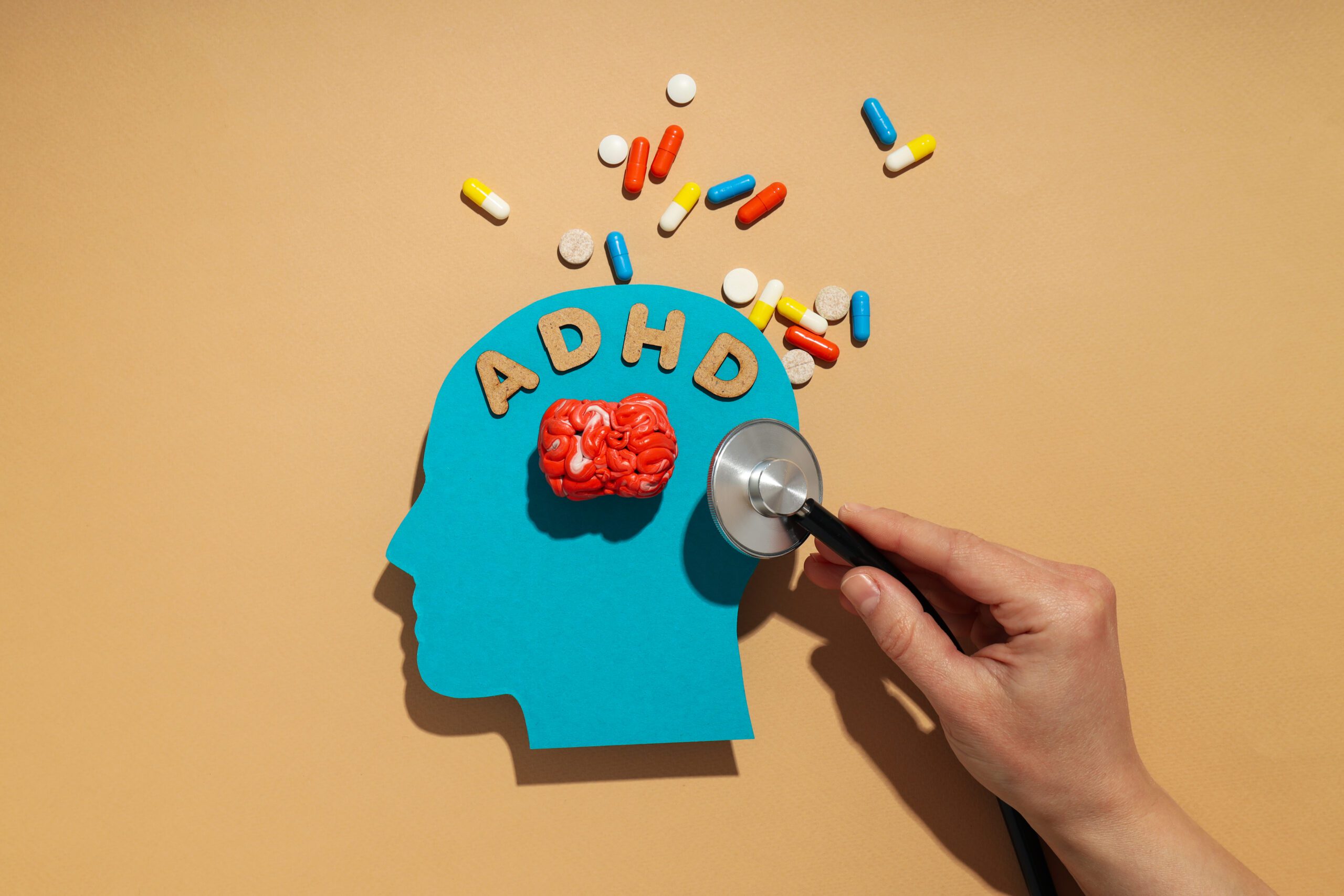
You can join a local support forum or a national online ADHD forum. These forums are filled with people who share their experiences and offer tips.
A lot of these organizations offer counseling sessions for no cost for those who need these. They also provide support services , such as Skype or telephone consultations with counselors. Counseling can be very beneficial in managing ADHD symptoms and improving your quality life.
ADHD treatment is a continuous process that is ongoing. Your physician should check in regularly to ensure that the medication effective as it should be. It is crucial to notify any changes to your condition as well as any side effects from the medication.
In addition to counseling, many people suffering from ADHD benefit from other treatments which include adjustments at school and work. These are the tools or changes within the environment that permit you to perform as well as you can in work and school, just like a step stool allows those who are short to reach heights that a taller person could not.